
Upper Hudson River Watershed
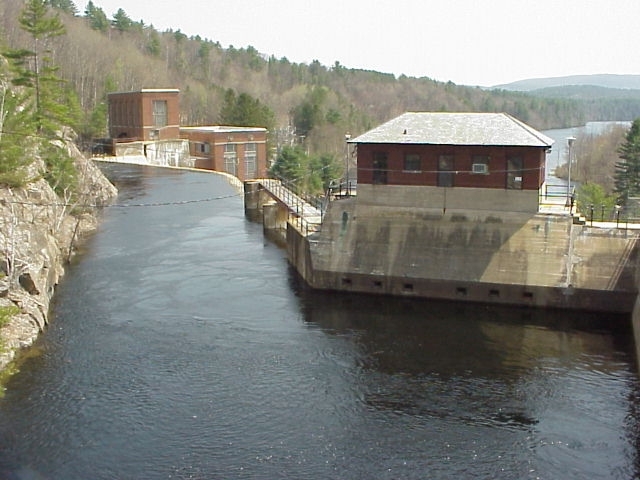
The Upper Hudson River watershed extends from Mt. Marcy in the northern Adirondacks south to the Albany-Rensselaer County line.
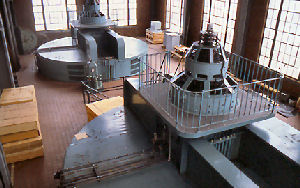
In this region, the Regulating District operates the Conklingville Dam on the Sacandaga River and the Indian Lake Dam on the Indian River. The water releases from these dams are interdependent and control about 40 percent of the waters in the Hudson River Area’s 8,300-square mile basin.
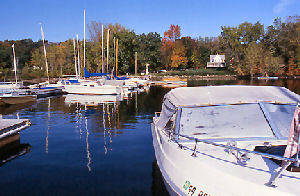
Completed in 1930, the Conklingville Dam created the 42-square mile Great Sacandaga Lake, which is the largest reservoir in the State, with a 125 mile shoreline and capacity of 37.73 billion cubic feet. The Regulating District’s operations at the Conklingville Dam alternately impound or release waters in the Hudson River to help prevent flooding during periods of high water flow and augment river flows during periods of drought.
New York State also owns the land that the Regulating District acquired to create the Great Sacandaga Lake, including the now submerged lands and an above water buffer zone lying around the lake between the reservoir’s high water line and adjoining private property. The Regulating District administers the Great Sacandaga Lake Access Permit System to provide temporary, exclusive access by individuals and entities with eligible private property to the State-owned buffer zone.
Links:
Harnessing Nature: Building the Great Sacandaga
Questions about the operation of Great Sacandaga Lake? Read our question and answer guide here.
Hudson River Basin Headwater Benefits Determination Draft Scoping Report
Hudson River Area Apportionment
Operation of Great Sacandaga Lake under the Offer of Settlement Agreement
Reservoir Elevations (Historical & Actual)
Map of Shoreline Erosion Control Sites at GSL
GSL Permit System
FERC License Conklingville Dam Project #12252
Upper Hudson/Sacandaga River Offer of Settlement
1927 – 11 14 1927 NY Power & Light ROA Conklingville
1939 – 01 05 1939 NY Power & Light ROA Conklingville
1949 – 09 21 1949 NY Power & Light ROA Conklingville
1971 – 12 28 1971 Niagara Mohawk ROA Conklingville
1980 – 06 17 1980 Niagara Mohawk ROA Conklingville
2003 – 07 01 2003 Erie Blvd Hydropower ROA Conklingville
2003 – 07 01 2003 Exhibit A to 07 01 2003 ROA – Mutual Release
2003 – 07 01 2003 Exhibit B to 07 01 2003 ROA – Stillwater Reservoir Letter Agreement
2006 – 05 19 2006 Amendment to Erie Blvd Conklingville ROA
Second Amendment to Reservoir Operating Agreement 06/16/2021
Third Amendment to Reservoir Operating Agreement 06/29/2202
HRBRRD Letter to FERC Regional Engineer Spain 11/30/2022
Erosion and Slope Stability Monitoring Plan for GSL Jan 2004
(The Regulating District has transferred microfilm of the reinternment records, dating from 1920 to 1930 to the NYS Office of State Archives: http://www.archives.nysed.gov/. Specifically, information regarding the record entitled ‘Hudson River Regulating District Reinternment Records’ can be found on the state archives website at https://iarchives.nysed.gov/xtf/view?docId=ead/findingaids/B2780.xml;chunk.id=fullfalink;brand=default#top by searching for ‘reinternment’ on the main archives search page: http://www.archives.nysed.gov/research/search-for-records.)
cem1409o
cem1410o
cem1411o
cem1412o
cem1417o